


How To Master Hyundai Smart Cruise Control
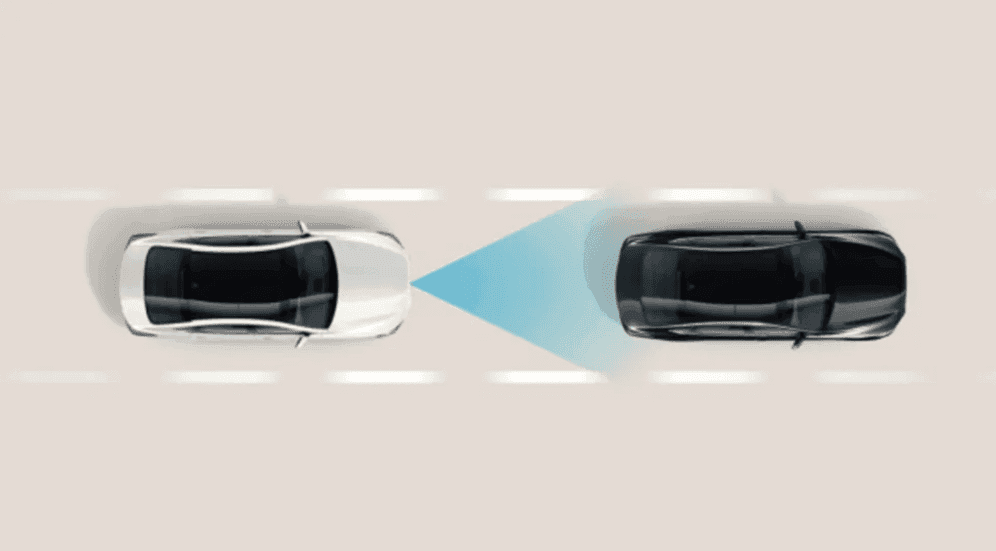
Photo Source/Copyright: Hyundai USA
Brake, coast, creep forward ten feet, brake again. That stop-and-go highway rhythm wears on anyone by the second hour, and it’s where standard cruise control taps out. Hyundai’s Smart Cruise Control (SCC) takes over that grind. Instead of locking onto a fixed speedometer number, the car watches the vehicle ahead and mirrors whatever that driver does. Your right ankle notices the difference immediately.
Conventional cruise holds one speed until you tap the brake, wiping your setting and forcing you to reset it every two miles. SCC tracks two variables at once: a target speed and a set following gap. If the lead car slows down, your Hyundai eases off to match.
Once the lane opens up, it climbs back to speed without a nudge. It even adapts to your drive mode; acceleration in Sport feels punchier than in Eco and adds power if you signal left to pass.
How It Reads the Road
Two sensors divide the labor:
- A front bumper radar gauges distance and closing speed through fog and flat light.
- A windshield camera handles optical tracking, identifying actual vehicles and lane markings.
Working together, they paint a clearer picture than either sensor manages alone. Select models add corner radar for wider coverage, while certain trims study your driving habits to mirror your preferred spacing and acceleration pace.
Stop-and-Go Traffic, Handled
Rush hour is where this system earns its keep. The car paces traffic down to a dead stop. If the car ahead rolls forward within three seconds, you follow automatically.
Longer pause? A quick tap on the resume switch or gas pedal gets you rolling again. Think of it as a handshake: at a prolonged red light, the car checks in with you before pulling forward.
Steering Wheel Controls
Everything lives on the wheel, taking about one commute to master:
- Press the Driving Assist button to turn the system on.
- Engaging under 20 miles per hour (MPH), or while stopped with your foot on the brake, defaults your set speed to 20 MPH.
- Pick between four following-distance settings; your choice stays saved after restarting.
- Tap the brake to pause, then flick the resume switch to return to your saved speed.
Beyond the Basics: Nav-Linked Cruise and Highway Driving Assist (HDA)
SCC serves as the core foundation, with Hyundai stacking higher assists on top:
| Feature | What It Adds | Driver’s Role |
|---|---|---|
| Smart Cruise Control with Stop & Go | Speed regulation and gap control down to a full stop | Steer; resume after longer pauses |
| Navigation-based Smart Cruise Control | Anticipates curves, ramps, and safety zones via map data | Steer; set preferences |
| Highway Driving Assist (HDA) | Blends adaptive cruise with active lane centering | Hands on the wheel, eyes up |
| Highway Driving Assist 2 (HDA 2) | Adds automated lane changes triggered by the turn signal | Signal changes; stay attentive |
Where You’ll Find It
Availability spans across the Hyundai lineup, from sedans (Elantra, Sonata) and SUVs (Kona, Tucson, Santa Fe, Palisade) to the Santa Cruz truck and electric platforms like the IONIQ 5 and IONIQ 9. The Palisade showcases this progression well: standard trims feature HDA, while the Calligraphy variant gets HDA 2.
Built to Keep You in the Driver’s Seat
SCC is driver assistance, not an autonomous chauffeur. Caked road slush over the bumper sensor or blinding sun glare will pause operation with a dashboard alert rather than guessing. Sudden cut-ins still demand quick driver intervention. The system simply strips physical fatigue out of long highway grinds while leaving you firmly in control.
Try It on a Test Drive
Adaptive cruise makes the most sense once you feel it work in real traffic. Stop by and ask for a test route with some highway in it, plus a stretch of stop-and-go if the timing cooperates. Our product specialists can show you which assistance features each trim carries.
More From Southern Hyundai Chesapeake
Elantra N TCR: Race Car for Drivers
Photo Source/Copyright: Hyundai USA Forty grand is a tough psychological threshold for a front-wheel-drive compact sedan, but Hyundai isn’t flinching. The Elantra N TCR Edition lands at $39,250 MSRP with a manual and hits $40,750 MSRP for the eight-speed dual-clutch transmission (excluding destination fees). That represents a clean $4,150 premium over the standard…
Top Reasons to Buy the 2023 Hyundai Kona
Photo Source/Copyright: Hyundai Motor Company The 2023 Hyundai Kona was a spunky little runabout, serving as the last of the original design generation. It didn’t pretend to be a luxury cruiser, but it offered a deep bench of trim options. From a modest 147-horsepower 2.0-liter commuter engine up to the rowdy, 276-horsepower Kona…
Everything About the Hyundai Elantra’s Horsepower Level
Photo Source/Copyright: Hyundai USA Compact sedans get lazily written off as commuter appliances. Glance under the hood of the Hyundai Elantra lineup, however, and that label quickly falls apart. Hyundai Elantra horsepower isn’t just a single spec-sheet figure; it’s a spread of four distinct engine choices tuned for completely different daily drives. Kicking off…